
Canada’s nation-building strategy can’t stop at ships and steel. This piece explores why classrooms, hospitals, unpaid care, and family farms must be treated with the same urgency if Canada is to build resilience for the 21st century.


Paved Over: How Canada Is Eating Its Farmland Alive

Canada’s farmland is vanishing under sprawl and speculation, with Ontario losing 319 acres daily. This long-form analysis explores provincial losses, political incentives, land speculation, and the hidden threat to supply management — warning that without a national farmland strategy, Canada risks paving over its food sovereignty.
The Things We Can’t Fix: Repair Culture, Corporate Control, and the Fight from the West

Western Canadians are pushing back on throwaway culture—and calling for a return to repairable, durable, affordable goods. The rest of us should be, too. My dad always called them whipper snippers, and that’s what they remained—even as brands got slicker and trimmers got smarter. He was a Croatian‑Italian immigrant to Ontario, a lifelong Mr. Fixit who took pride in doing …
When Canada Gave Away Its Housing—and Nobody Noticed
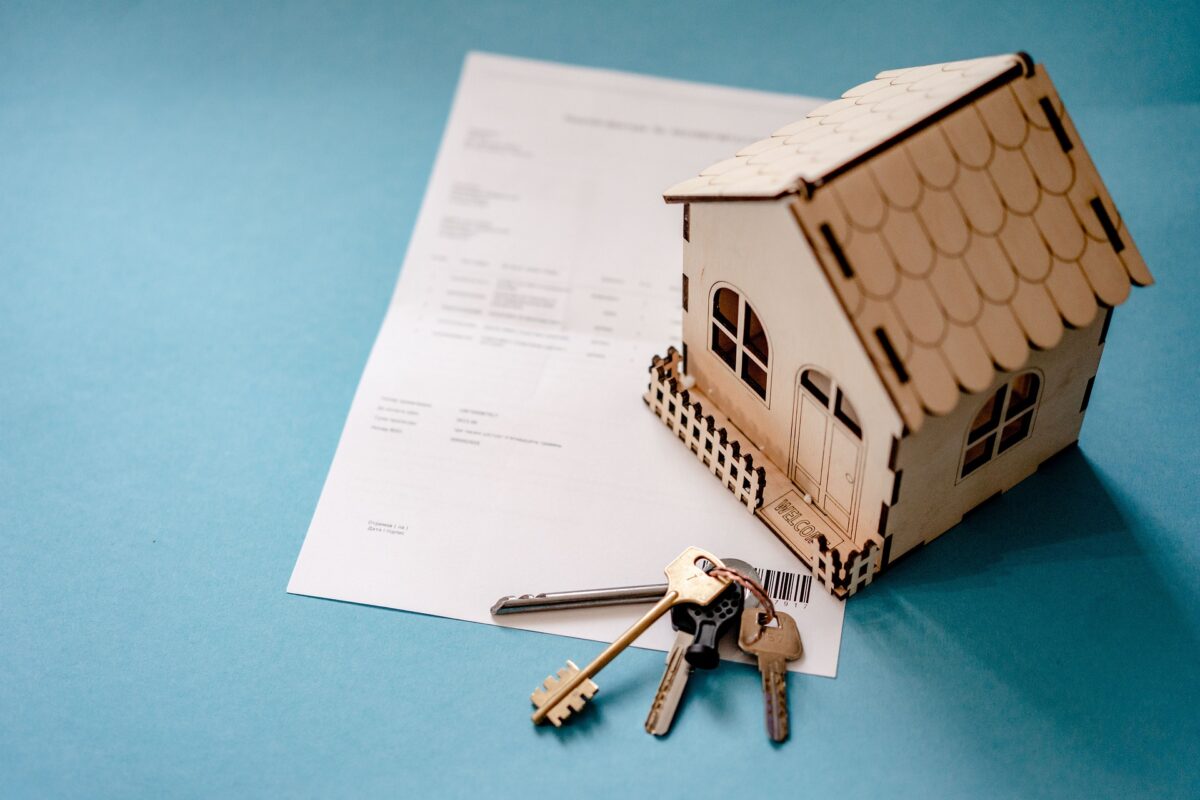
In the 1990s, Canada quietly shifted housing responsibility from federal to provincial to municipal governments. Today, few voters realize who actually controls housing policy—and that confusion has consequences. This post unpacks the offloading of responsibility, the collapse of civic pressure, and the quiet disappearance of housing as a public good.
“Nasty” Is One Word for It. Effective Is Another.
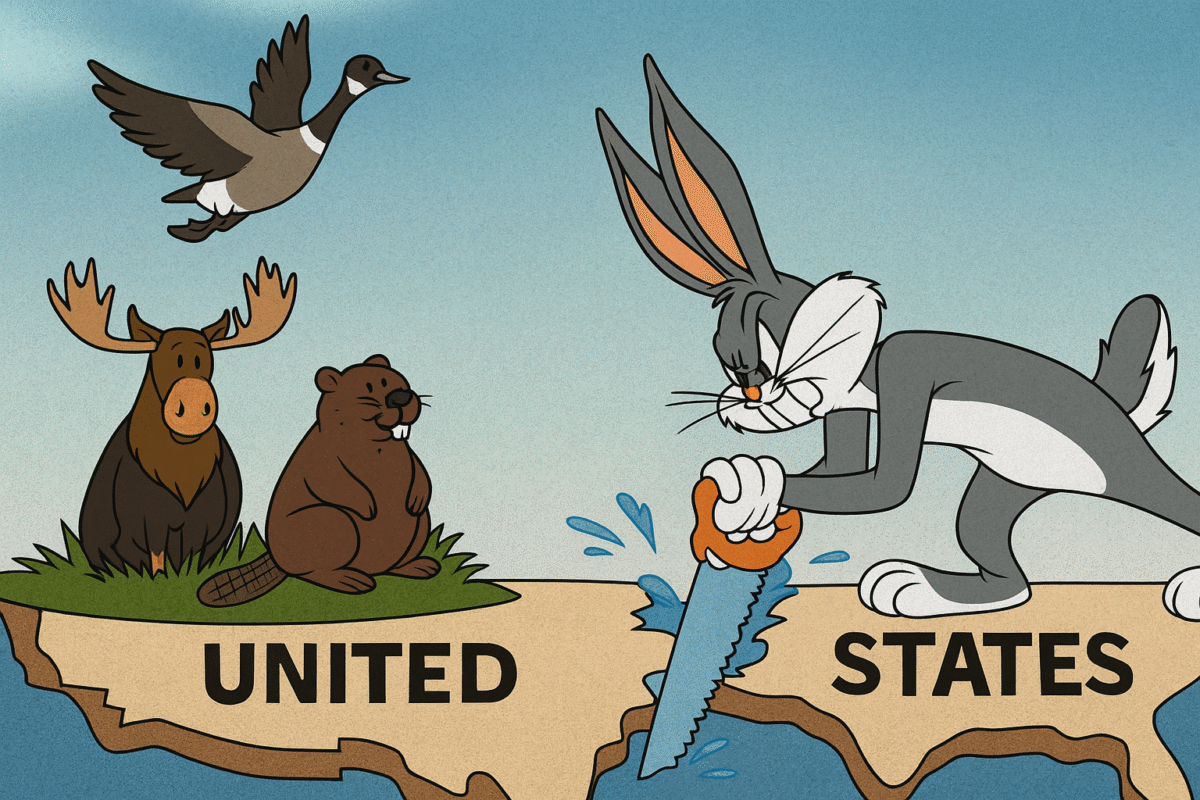
When the U.S. ambassador called Canadians “nasty” for skipping the booze runs and booking local vacations, he didn’t just insult a neighbour—he revealed that something was working. This is the story of how quiet consumer resistance evolved into a full-spectrum economic strategy, reshaping cross-border trade without a single protest sign. Call it what you like. We’re calling it effective.

When Parliament Is Recessed, MPs Aren’t on Vacation — What They’re Really Doing
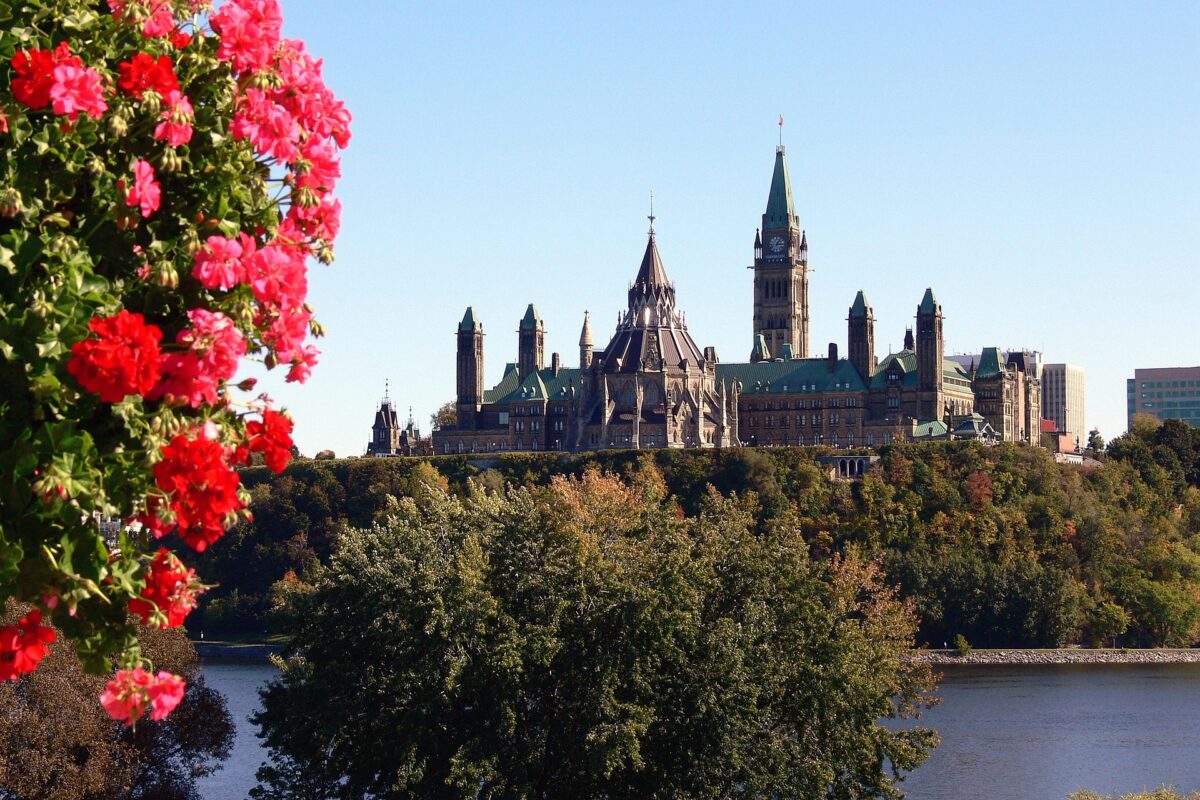
Parliamentary gridlock isn’t always about politics—it’s about the system itself. Here’s what really happens during recess. In Canadian politics, what looks like inaction is often tangled in process. This post breaks down how parliamentary dysfunction isn’t just about bad faith or bad leadership — it’s baked into the structure. If you’ve ever asked, “Why can’t they just get on with …