
Greenland’s sudden strategic importance is often framed as military necessity. But ownership tells a different story—one shaped by climate change, regulatory control, and profit.
1

Zero-Sum Thinking in a Non-Zero World
Canada is doing the right things abroad—expanding trade, building trust, and strengthening alliances—but at home, zero-sum politics are getting loud. When domestic squabbling overshadows cooperation, it doesn’t just divide Canadians; it erodes our credibility overseas. This piece looks at how to spot the zero-sum mindset in our media and what ordinary citizens can do to shift the conversation back to growth, trust, and shared success.
When the Bill Comes Due: How Ordinary People Are Demanding That Polluters Finally Pay

Families everywhere are paying more for fires, floods, and storms they didn’t cause—through insurance hikes, taxes, and “catastrophe” surcharges. This follow-up asks a simple question with global consequences: what if the real bill belongs to the biggest polluters? From statehouses to courtrooms, the billable path is shifting—and accountability is becoming law.

Carving Up the Commons: Farmland and Parkland on the Chopping Block

Once prime soil and public waterfront are sold off, taxpayers pay twice: first in lost food and recreation, then again when governments try to rebuild what we already had. The Pattern We’re Missing In Ontario, Doug Ford’s government is pushing changes to the Provincial Parks and Conservation Reserves Act that would carve off large, serviced chunks of Wasaga Beach Provincial …
When Water Becomes the Prize
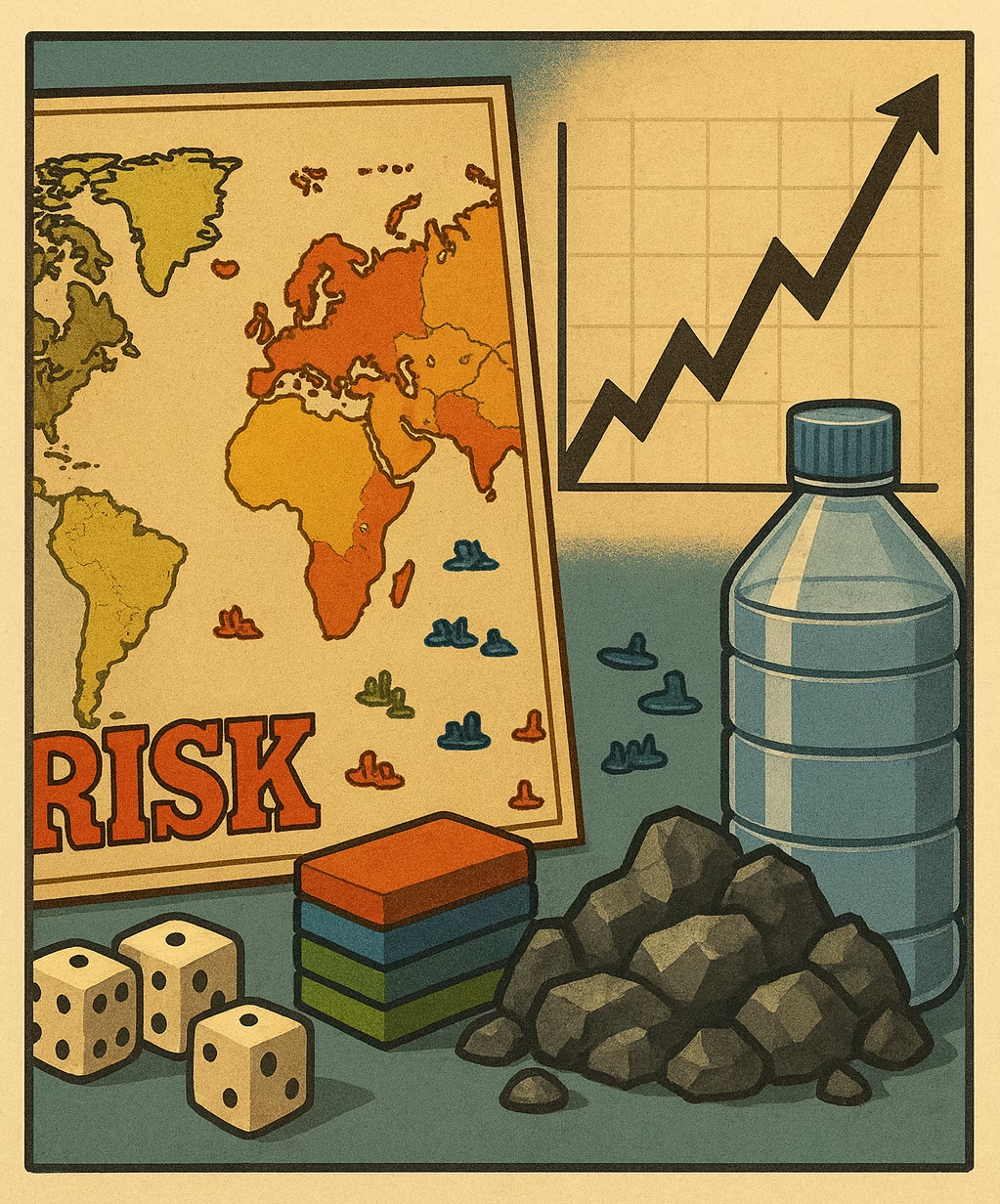
Canada has long believed geography protects us. Oceans on three sides, the United States on the fourth. War and unrest happen “over there.” We are cushioned. Or so the story goes. Nothing could be further from the truth.
The 20th century was defined by oil. The 21st will be about water and minerals — and Canada sits on top of both. Abundance is no longer security; it’s vulnerability. From the Ring of Fire’s critical minerals to freshwater supplies, Canada is already a piece in a dangerous global game of Risk.
Why Canadians Are Being Blindsided: The Broken Infrastructure of Communication
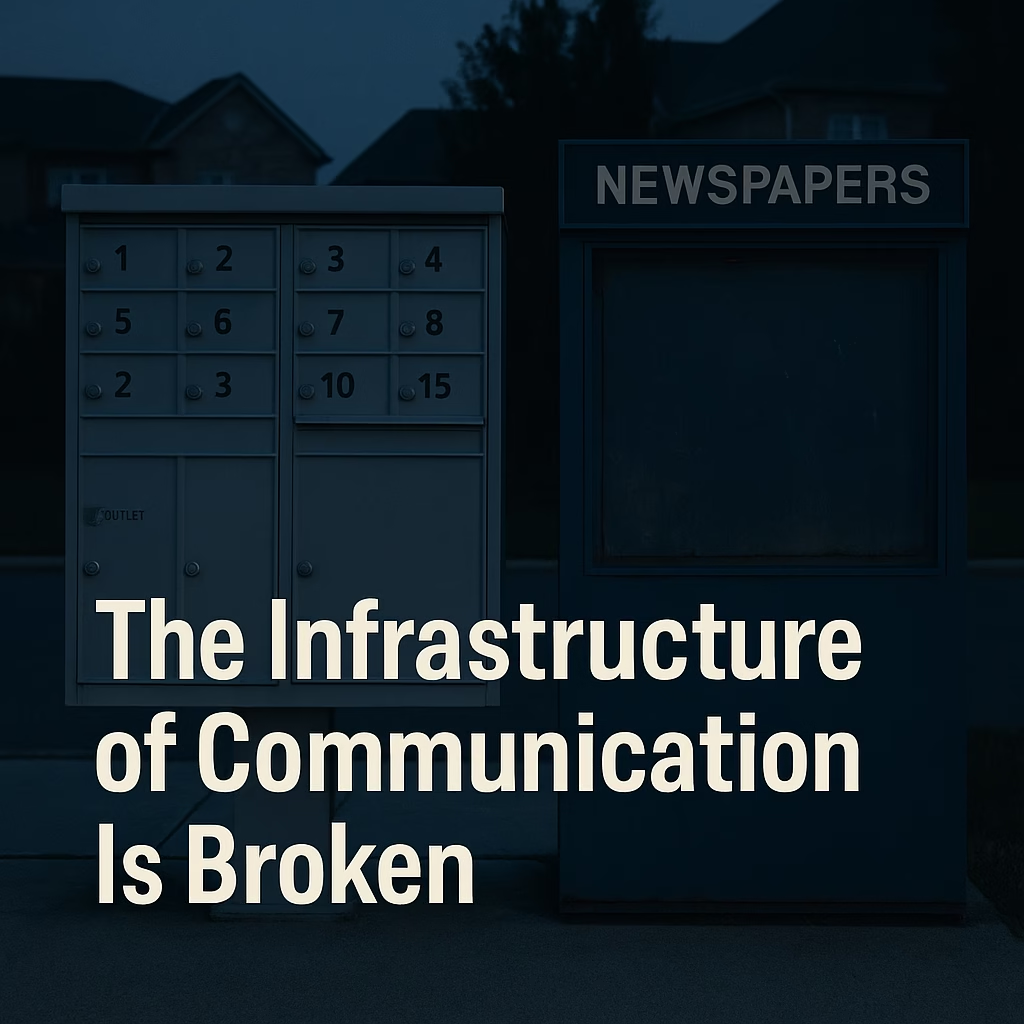
Canadians aren’t apathetic—they’re structurally cut off. When headlines narrow to five stories a day and algorithms reward outrage over substance, the decisions that shape daily life arrive without warning. Half of Canadians don’t even know about a planned 15% federal spending cut. Meanwhile, local news—the old “town hall” that published council agendas and amplified consultations—has collapsed into news deserts. This essay explains why our Broken Infrastructure of Communication blindsides families at the kitchen table (from coffee prices to hospital changes), how fragmentation across generations deepens the problem, where other jurisdictions are succeeding (Taiwan, Barcelona, Reykjavík, UK), and what governments, journalists, and citizens can do right now to rebuild civic connection. If democracy depends on informed citizens, then fixing the information plumbing is as urgent as fixing bridges or power lines.
Rebuilding the Missing Middle in Food Systems: Community-First Infrastructure for Resilience and Jobs

Rebuilding the missing middle in food systems is about more than farming. It’s about sovereignty, resilience, and local jobs. From Canada to Europe to the Global South, communities are proving that investing in food hubs, regional processors, and short supply chains creates employment, strengthens SMEs, and protects against global shocks.

- Page 1 of 2
- 1
- 2