
Once prime soil and public waterfront are sold off, taxpayers pay twice: first in lost food and recreation, then again when governments try to rebuild what we already had. The Pattern We’re Missing In Ontario, Doug Ford’s government is pushing changes to the Provincial Parks and Conservation Reserves Act that would carve off large, serviced chunks of Wasaga Beach Provincial …
From Tariffs to Tables: The Case for a Buy Canadian Shift

Canada has set a goal to cut its dependence on U.S. food exports by 50%. According to Farm Credit Canada, $12B of trade needs to shift — and $2.6B of that could be achieved right here at home if Canadians commit to buying Canadian. From raspberries to canola oil, sovereignty starts with what we choose at the checkout.
Canada at the Crossroads: BRICS, Trump, and the Fight for Trade Sovereignty

BRICS isn’t a sideshow anymore. With over a quarter of global GDP and nearly half the world’s population, the bloc is reshaping trade and challenging the U.S.-led order. At the same time, Trump’s America is tearing up the rulebook of predictable trade. For Canada, that means hard choices about where we anchor our future prosperity — and whether sovereignty can survive if we tie ourselves too tightly to one neighbour.
Why Canadians Are Being Blindsided: The Broken Infrastructure of Communication
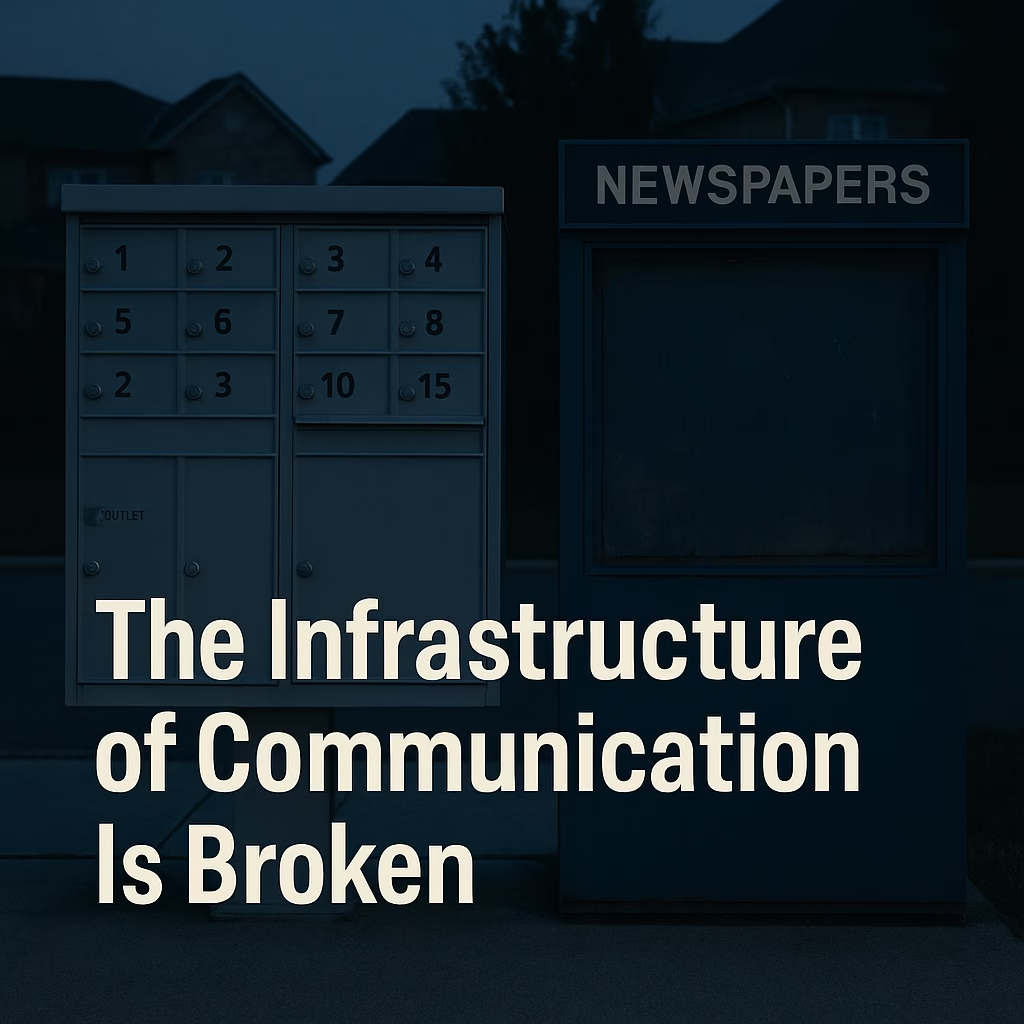
Canadians aren’t apathetic—they’re structurally cut off. When headlines narrow to five stories a day and algorithms reward outrage over substance, the decisions that shape daily life arrive without warning. Half of Canadians don’t even know about a planned 15% federal spending cut. Meanwhile, local news—the old “town hall” that published council agendas and amplified consultations—has collapsed into news deserts. This essay explains why our Broken Infrastructure of Communication blindsides families at the kitchen table (from coffee prices to hospital changes), how fragmentation across generations deepens the problem, where other jurisdictions are succeeding (Taiwan, Barcelona, Reykjavík, UK), and what governments, journalists, and citizens can do right now to rebuild civic connection. If democracy depends on informed citizens, then fixing the information plumbing is as urgent as fixing bridges or power lines.
From Free Trade to Fortress Canada?
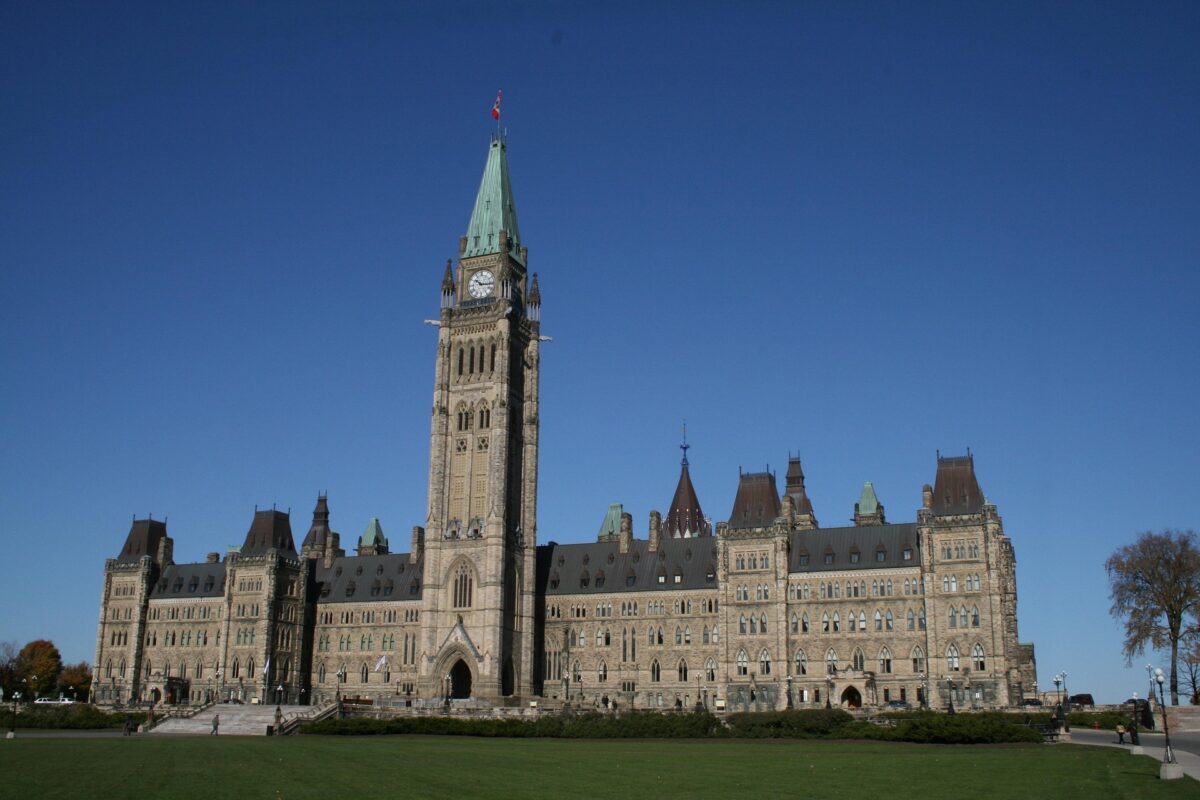
Prime Minister Mark Carney calls it a rupture, not a transition. With a C$5 billion Strategic Response Fund, a “Buy Canadian” procurement push, and a pause on the EV mandate, Canada is stepping away from free-trade assumptions and embracing mercantilist tools. The goal: cushion industries, protect jobs, and position Canadians ahead of a seismic global shift in how trade works.

Paved Over: How Canada Is Eating Its Farmland Alive

Canada’s farmland is vanishing under sprawl and speculation, with Ontario losing 319 acres daily. This long-form analysis explores provincial losses, political incentives, land speculation, and the hidden threat to supply management — warning that without a national farmland strategy, Canada risks paving over its food sovereignty.
When Canada Gave Away Its Housing—and Nobody Noticed

In the 1990s, Canada quietly shifted housing responsibility from federal to provincial to municipal governments. Today, few voters realize who actually controls housing policy—and that confusion has consequences. This post unpacks the offloading of responsibility, the collapse of civic pressure, and the quiet disappearance of housing as a public good.
When Parliament Is Recessed, MPs Aren’t on Vacation — What They’re Really Doing
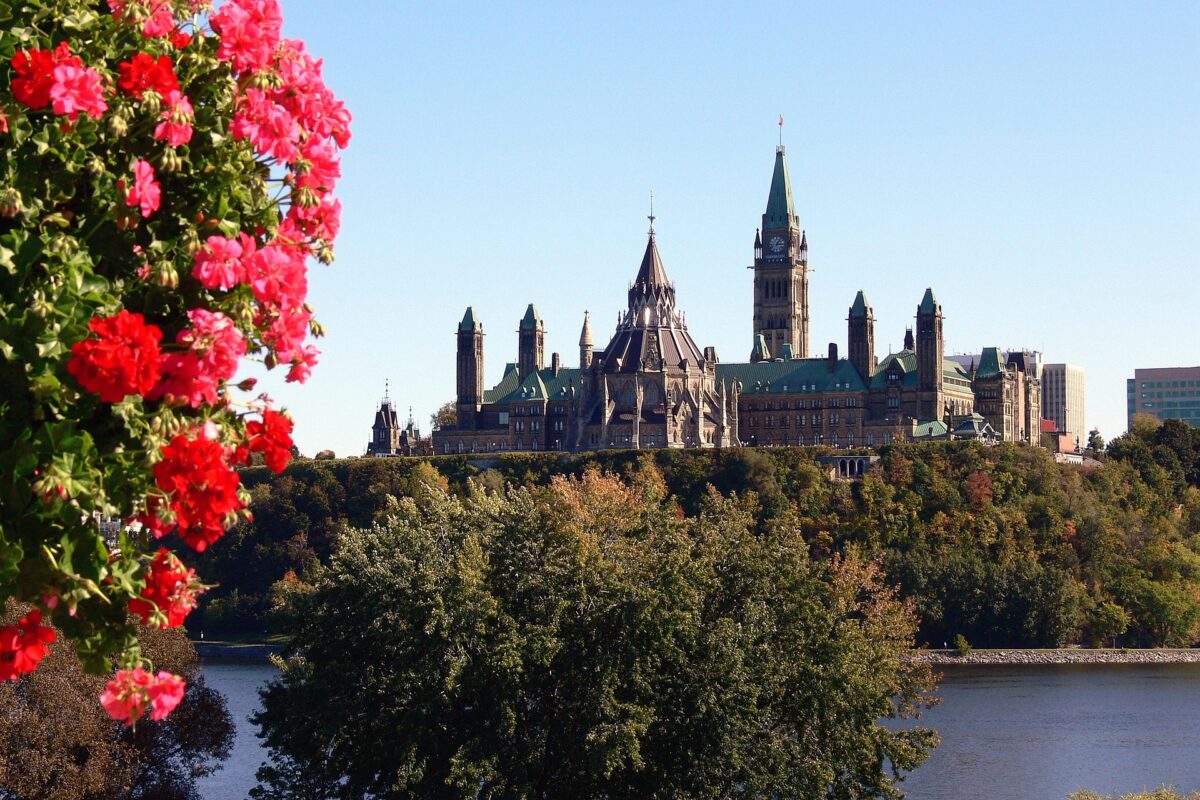
Parliamentary gridlock isn’t always about politics—it’s about the system itself. Here’s what really happens during recess. In Canadian politics, what looks like inaction is often tangled in process. This post breaks down how parliamentary dysfunction isn’t just about bad faith or bad leadership — it’s baked into the structure. If you’ve ever asked, “Why can’t they just get on with …